

How Do I Prepare My Vehicle for Western PA Winter?
How do I prepare my vehicle for Western PA winter weather?
During winter, Western PA experiences freezing temperatures that can really test your car. This is why winter car prep is a must. Continue reading as we share some essential tips on how to prepare your vehicle for the upcoming winter.
Why Is Winter Car Prep Important in Western Pennsylvania?
Cold Weather Can Affect Vehicle Performance
While your car is made to be driven in different conditions, you need to prepare it so everything can work effectively against the challenges you’ll encounter. This is especially crucial in winter, where western PA can see extreme weather, like snowstorms and freezing rain. These weather challenges can really test your car's performance, and without the right winter car prep, you risk serious car issues.
Snow, Ice, and Potholes Create Additional Wear
Extreme weather, such as heavy snow and icy roads, as well as torn-up roads and potholes, puts extra pressure on your vehicle’s tires, alignment, and suspension, contributing to additional wear and tear. Now imagine if your car isn’t in ideal condition when winter weather hits. You’re looking at issues that can endanger safety.
Preventive Service Can Reduce Winter Breakdowns
Preventive service includes regular checkups and maintenance before winter arrives. All of these are important steps to take to keep your car in top condition to face the challenges of winter safely and efficiently. In the next sections, we will take a look at all the key preventive measures such as checking the battery, changing winter tires, and topping up the antifreeze.
1. Check Your Tires Before Winter Arrives
Inspect Tire Tread Depth
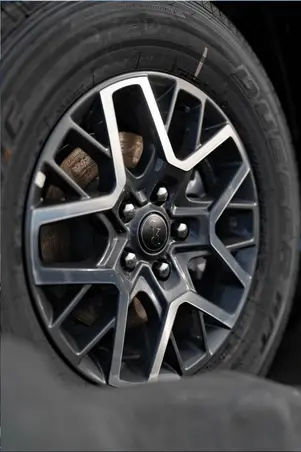
As you can imagine, icy roads require good traction to help keep grip on slippery roads. This is why inspecting tire tread depth is one of the most important parts of winter car prep. There’s a simple way to check tread depth: the "quarter test." Using a quarter, insert the coin upside down into the tread groove, and if the top of Washington’s head is visible, your tires don't have enough grip for deep snow and should be replaced.
Monitor Tire Pressure
Tire pressure can drop significantly in cold air. By regularly monitoring your tire pressure, you help ensure that the tires are inflated enough to handle safely on ice, as well as preventing uneven wear. Check the manufacturer's levels to figure out how much air you need for your specific car.
Consider Winter Tires
Using winter tires can be helpful when driving in heavy snow or on hilly terrain. Winter tires are made with a special rubber compound that keeps them soft and flexible in freezing temperatures, providing that extra stopping power compared to regular standard all-season tires.
2. Schedule an Alignment Check
Signs Your Vehicle May Need an Alignment
Check your car’s alignment by paying attention to how it drives on a straight road. If you can feel the car slightly drifting or the steering wheel is shaking, this is an indication that you may need to get an alignment check. Other signs may also include a screeching noise from the wheel when turning.
Start With a Free Alignment Check
With a free alignment check, just as offered by C. Harper, you don’t have to wait until the signs appear to get your alignment check. Before winter arrives, or if you think you’ve hit a major pothole, get your car to C. Harper for a free alignment check. Our service center uses precision tools to make sure that your car is in ideal condition to get it running as smoothly as possible at a perfect angle.
3. Test Your Battery and Charging System
The battery is especially vulnerable during winter because cold weather can sap its chemical power, leaving less energy to help the car start.
Most car batteries have a dependable lifespan of three to five years under normal driving conditions. So if your battery is reaching the end of this window, the added stress of a Western PA winter can easily push it past its breaking point and cause it to die without warning. Get your charging system tested before winter arrives and see how much voltage and cranking power your battery has left.
4. Inspect Your Brakes
Inspecting your brakes is one of the most crucial winter car prep steps. Brakes are critical in any road conditions, let alone during winter, when the roads can be extra slippery.
Signs Your Brakes Need Service
If you notice any of these signs while driving, take your vehicle to a service center so professionals can inspect and repair it if needed:
Squealing, grinding, or scraping noises.
Steering wheel vibration while braking.
Soft or spongy brake pedal.
Vehicle pulling during braking.
Longer stopping distance.
5. Test the Heater and Defroster
Confirm the Cabin Heater Works Properly
Driving in a freezing car is not just uncomfortable; it can also be a safety hazard if you are shivering behind the wheel. Make sure your vehicle's heater is working as it should. Test it by turning it on full blast and confirm that it’s delivering hot and consistent air. If it’s doing the opposite, get it to the service center before the cold weather hits.
Test Front and Rear Defrosters
Another crucial winter car prep is to pay attention to the defrosters. They’re essential during winter because they help maintain clear visibility in times such as navigating snowstorms and icy highways. A good working defroster should be able to clear fog, frost, and condensation effectively.
6. Prepare a Winter Emergency Kit
Essential Supplies to Keep in Your Vehicle
Besides ensuring the condition of your vehicle is ready for the cold season, having the proper supplies in the trunk of the vehicle is a smart strategy. They can help with anything from keeping you warm to providing extra light in the dark to helping clear obstacles and getting the engine started.
Here are some supplies to have:
Ice scraper and snow brush.
Blanket and warm clothing.
Flashlight with extra batteries.
Phone charger.
Bottled water and shelf-stable snacks.
First-aid kit.
Jumper cables or portable jump starter.
Small shovel.
Traction material.
Basic tools.
Keep Your Fuel Level Up
Our last winter car prep tip is never to let your gas tank drop below the halfway mark during the winter months. A full tank can prevent moisture from freezing in the fuel lines, which can cause your engine to stop. Another important consideration is that having plenty of fuel can help you in case of an emergency. For example, when stuck and stranded, running the engine and heater helps you stay warm until assistance arrives.
Winter is arriving fast, so don’t wait until it’s too late. Get your car inspected and repair any issues that could jeopardize comfort and safety while driving during the winter season. Contact us and let our team at C. Harper help with your winter car prep today.
Frequently Asked Questions About Winter Car Prep
When should I begin winter car prep?
Begin your winter car prep well before the first Western PA snowfall, ideally around October. This is to ensure you have enough time if anything needs to be repaired.
What are the signs that my vehicle needs an alignment?
Your vehicle drifting to one side on a straight, level road; a steering wheel that feels off-center and makes unusual vibrations; and a squealing sound from the wheel when turning are some indications that you may need an alignment.
How often should I check tire pressure in winter?
You should check your tire pressure at least once a month, and ideally every time the temperature drops sharply by 10 degrees or more.