

Do I Need New Tires For My Car?
Do I Need New Tires For My Car?
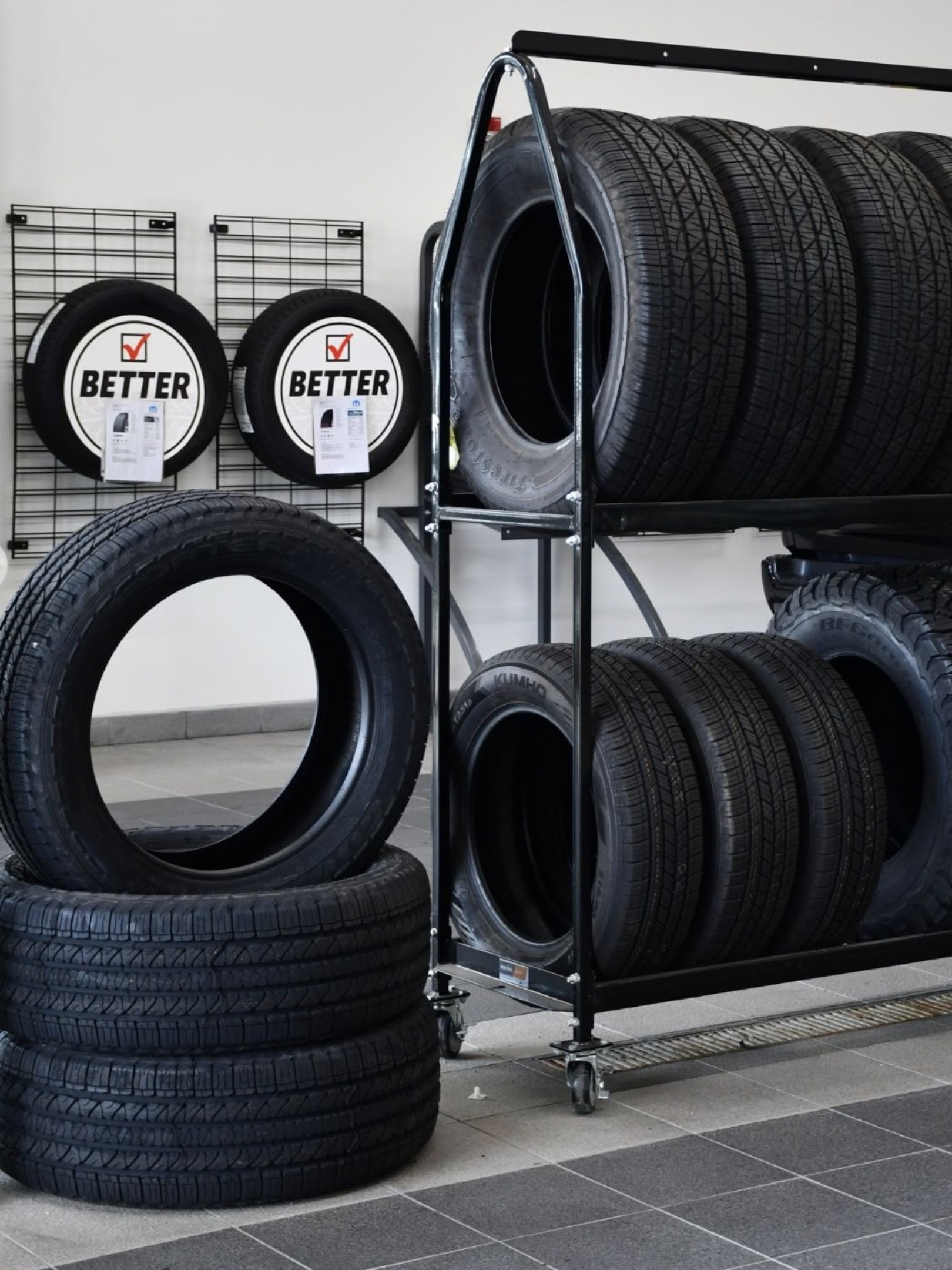
When it comes to tires, looks aren't the only indicator of whether they're still good. Issues such as hidden rot and uneven wear can be hard to spot at a glance and require a closer look. And of course, you don’t want to wait until the tires are flat or worse to change them. So when do I need new car tires? We’ll discuss new car tires and more below.
How Do I Know If I Need New Tires?
Tires Wear Down Over Time
Tires are one of the most impacted parts of the car. As you can imagine, driving all those miles and passing through different road conditions — gravel, potholes, snow, mud —will naturally shave off a tiny bit of your tire's rubber tread, and eventually you'll need to replace them.
Don't Wait Until Tires Become Unsafe
Safety is a factor that should never be compromised, especially when it comes to driving. Waiting until your tires are completely bald or slipping on rainy days puts you and your passengers at serious risk. Always check regularly, and if unsure, seek professional help for more certainty and peace of mind.
Check Your Tire Tread Depth
The Penny Test
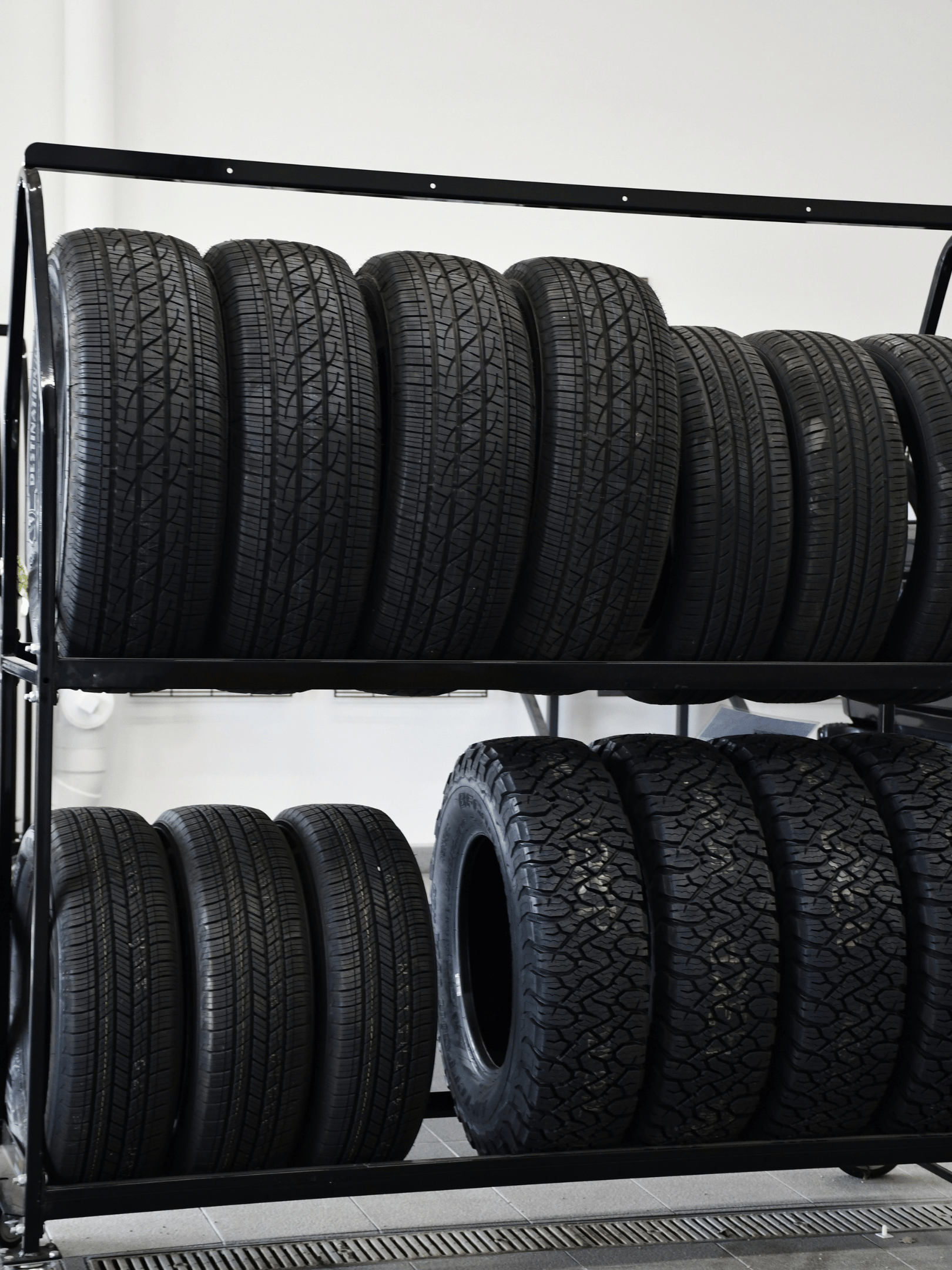
A simple step you can take to check a tire’s tread depth is the penny test. Insert the coin upside down (so Lincoln’s head is facing down into the tire) and place it in the tread groove. If part of Lincoln’s head is covered, your tread depth is good. But if all of Lincoln’s head is visible, it’s time for new tires.
Replace Tires Before Tread Becomes Too Low
As the tread flattens, your tires will start to lose their ability to grip the road effectively. Inspect the tires regularly and ideally, check each month for signs such as cracks in the sidewall, strange bulges, uneven wear patterns, or exposed metal wires.
Watch for Cracks, Bulges, or Visible Damage
Sidewall Damage
The sidewall is an important component of the tire structure and contributes to the tire’s ability to support the vehicle. Look for deep cracks, cuts, and a bulge or bubble sticking out of the sidewall. These can be a sign of internal structural damage and can cause a sudden tire blowout if not repaired.
Damage From Potholes and Road Hazards
Driving directly into sharp potholes, catching a jagged curb, or running over hidden road debris- these hard impacts can damage the tire. In these instances, the tire is often crushed between the wheel rim and the pavement, tearing the inner liner or denting the metal wheel itself. Always inspect the tire after hitting a major bump to make sure it’s still in good condition.
Has Your Vehicle Lost Traction?
Poor Wet Weather Performance
Tires with low tread often perform poorly on wet roads because they can no longer channel water away from the rubber. In this situation, the car can lift off the pavement and slide on a thin layer of water, also called hydroplaning. As a result, control and braking become challenging and dangerous. Driving in wet weather with poor traction will also feel unresponsive, loose, and slippery--all of the situations that you certainly don’t want to be in.
Longer Stopping Distance
Driving on worn-out tires will also result in a longer stopping distance. Because the smoothed-down rubber cannot bite into the pavement through a layer of moisture, your car will skid further when you slam on the brakes.
How Old Are Your Tires?
Regular Inspections Become More Important as Tires Age
Even if you don’t drive often, tires can degrade from environmental exposure. They can slowly harden, dry out, and lose their flexibility. Regardless of usage, experts recommend changing tires on a new car once they reach six to ten years of age.
The age factor also makes regular inspections a critical step not to miss. Catching issues early through regular inspections helps maintain your tire condition, prevent dangerous blowouts, and improve overall safety.
Other Signs You May Need New Tires
Besides visual signs, these are some indications that your tires may need a replacement:
Excessive Road Noise
Vehicle Vibrations
Frequent Loss of Tire Pressure
Reduced Fuel Efficiency
Steering Doesn't Feel Right
Don’t Wait Until Your Tires Become a Safety Concern
There’s nothing more important than safety when it comes to driving a vehicle. The tires are one of the most critical parts of a car that help you drive smoothly, efficiently, and safely. If you notice any of the signs we’ve mentioned in this piece, don’t wait any longer. Have it professionally checked and deal with any issues early. Doing the opposite can jeopardize the safety of the car and, more importantly, you and your family.
The team at C. Harper Honda can inspect your tire condition and offer the best solution for any issues found. Book your service from the convenience of your home through our site, call us, or visit us directly at one of our locations.